Cessna 172RG Rear RH Baffle Assembly
Cessna 172RG Rear RH Baffle Assembly
Blog Article
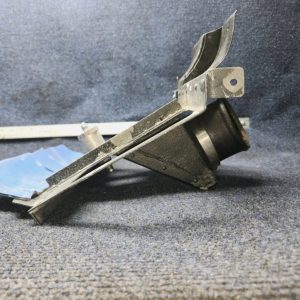
P/N 2455038-2 combines identifiable part-number information, rear right-hand positioning, cooling-air management, and maintenance value for the correct aircraft installation.
The Cessna 172RG Rear Right-Hand Baffle can support airflow management, while the Cessna 172RG Engine Baffle and Cessna 172RG Cooling Baffle descriptions should not imply universal interchangeability.
The Cessna Cutlass Engine Baffle, Cessna 172RG Baffle Assembly, Rear RH Engine Baffle, and Aircraft Engine Baffle Assembly describe related cooling-air components located within the engine compartment.
Clear descriptions of Cessna 172RG Engine Compartment Parts help maintenance professionals estimate the full scope of the repair.
The Cessna Aircraft Engine Baffle may provide replacement value when its geometry, mounting points, seals, and material condition remain suitable.
Reviewing the 2455038-2 Component
The P/N 2455038-2 marking should be confirmed through stamped identification, labels, donor-aircraft records, packaging, photographs, and applicable Cessna parts information.
Any alternate number, superseded number, drawing reference, repair marking, or donor-aircraft serial number should remain connected with the component.
Purpose of the Rear RH Engine Baffle
System-level inspection supports more effective engine-compartment maintenance.
Engine condition, instrumentation, seals, cowling, operations, and surrounding baffles should be considered during troubleshooting.
Cessna 172RG and Cutlass Compatibility
The Cessna 172RG Cutlass may contain production changes, previous repairs, engine modifications, or altered cooling-system components that affect fitment.
Qualified maintenance personnel should determine whether the component is suitable for installation.
Understanding Formed Aluminum Cooling Panels
An Aircraft Engine Baffle Assembly may include formed sheet material, flanges, stiffening bends, brackets, attachment holes, seal-retaining features, and related hardware.
Unauthorized bending, hammering, heating, grinding, drilling, or trimming can damage the assembly and affect its relationship with adjacent components.
Assessing a Used Cessna Baffle
A detailed inspection provides stronger evidence than a general good-condition description.
Unusual waviness or twisted geometry should be measured rather than dismissed as cosmetic.
Managing Gaps Around the Engine Baffles
Torn, hardened, curled, shortened, oil-soaked, missing, or incorrectly oriented seals can reduce the effectiveness of the cooling system.
Replacement seal material should correspond with the intended aircraft installation and suitable technical requirements.
Engine Compartment Contamination Concerns
Corrosion inspection should address exposed surfaces, overlapping joints, fastener areas, lower edges, brackets, and locations where moisture or contaminants can collect.
Storage components should remain dry, clean, supported, and protected from unsuitable wrapping that traps moisture.
Evaluating Fretting and Elongated Holes
Loose fasteners in the previous installation may have allowed movement that damaged both the baffle and nearby components.
Forced alignment can preload thin sheet metal and contribute to recurring cracks.
Managing Engine Baffle Parts Inventory
A rear-baffle replacement may require adjacent baffles, seals, brackets, clips, fasteners, retainers, supports, and cowling-related components.
Donor-aircraft history may provide context but does not establish present serviceability.
Baffle-Related Temperature Problems
A damaged rear RH baffle may contribute to cooling-air leakage, but it may not be the only cause of an abnormal indication.
Maintenance personnel should identify all relevant findings and correct them through appropriate procedures.
Evaluating Baffle Repair Value
Repair should not be selected only because it appears Aircraft Engine Baffle Assembly less expensive initially.
The completed component should be inspected before installation.
Commercial Value of the Cessna 172RG Baffle
A clean appearance can improve presentation but does not replace detailed inspection.
The seller should disclose cracks, corrosion, distortion, missing sections, damaged holes, repairs, heat exposure, vibration damage, and storage conditions.
Cessna 172RG Baffle Buying Checklist
The seller should provide photographs showing both sides, flanges, holes, brackets, contours, edges, markings, corrosion areas, seals, and repairs.
- Request clear photographs of every surface, marking, hole, bend, bracket, flange, crack, repair, corrosion area, and included component.
- Inspect the baffle for cracks, corrosion, pitting, dents, buckling, distortion, elongated holes, fretting, broken brackets, damaged flanges, and previous repairs.
- Require packaging that supports the baffle without bending flanges, crushing contours, damaging brackets, scratching finishes, or allowing loose hardware to strike the panel.
Safe Handling of P/N 2455038-2
Loose seals and hardware should be bagged, labeled, and secured separately.
The storage area should remain clean, dry, secure, and protected from salt, chemicals, water leaks, impact, and temperature extremes.
Cessna Cutlass Cooling System Installation
The baffle should be trial-fitted to confirm contour, hole alignment, bracket position, seal contact, engine clearance, and cowling relationship.
Fastener holes should be inspected carefully, while hardware type, grip, spacing, and installation method should correspond with suitable technical data.
Any equipment removed for access should be restored and checked appropriately.
Long-Term Rear Baffle Inspection
Long-term maintenance includes periodic inspection of the baffle, seals, fasteners, brackets, adjacent panels, cowling contact areas, protective finishes, and corrosion-prone locations.
Recurring cracks or loose attachments should prompt investigation of vibration, alignment, and supporting hardware.
Choosing the Cessna 172RG Rear RH Baffle Assembly
The Cessna 172RG Rear RH Baffle Assembly
The strongest purchasing decision begins with confirming the complete part number, donor-aircraft details, aircraft serial applicability, engine configuration, right-hand position, dimensions, mounting geometry, seal condition, repair history, included hardware, and documentation.
Whether the component is purchased for scheduled maintenance, corrosion replacement, cooling-system repair, accident recovery, restoration, or spare-parts support, transparent information and professional oversight provide the strongest foundation.
With responsible purchasing, part-number research, careful handling, alignment checks, and appropriate workmanship, the assembly can remain a valuable engine-compartment asset.
Report this page